Flour as a Status Symbol
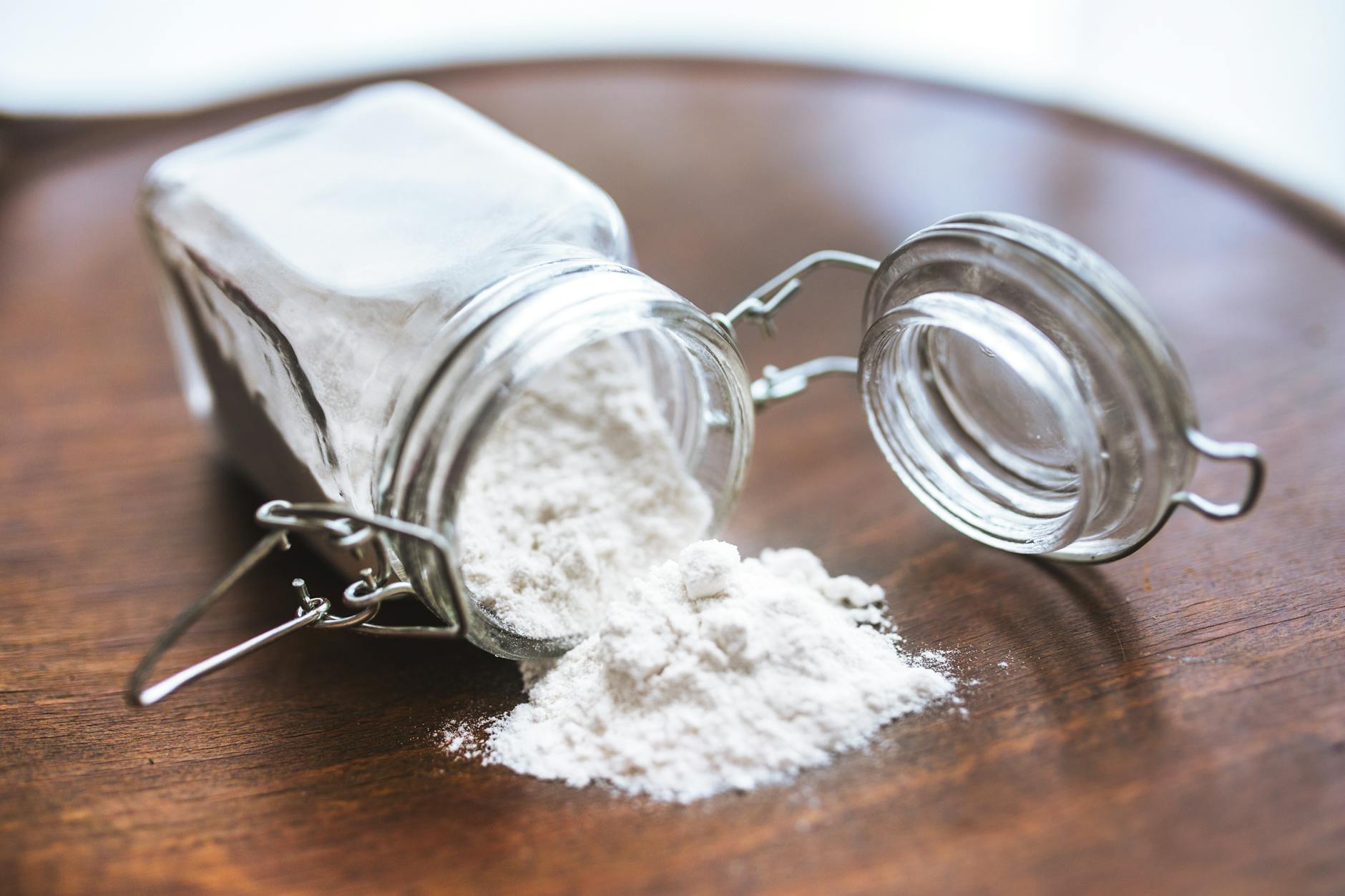
Throughout history, finely sifted flour has been more than just an ingredient; it has been a status symbol. The labor and materials required to produce a light texture and whiter appearance made such flour costly. As a result, common people often relied on coarser stone-ground wheat flour.
Until the 1870’s, “white” flour was created using a hand-sifting method. While the bulky parts of the bran and germ were removed physically, the flour still contained wheat germ oil, which passed on some of the nutrients from the wheat germ.
Between 1870 and 1890 steel roller milling was developed. This commercial process not only milled flour at a high speed, but also enabled millers to separate the different parts of the wheat kernel. Thus, flour could be produced much more quickly, and millers could cut out the bran and germ and use only the soft endosperm.
Very fine white flour was now affordable. In addition, this flour didn’t include any wheat germ oil, making it far more shelf-stable. This also resulted in a second product from the same crop. The separated bran and fiber was sold as animal feed.
Health Problems
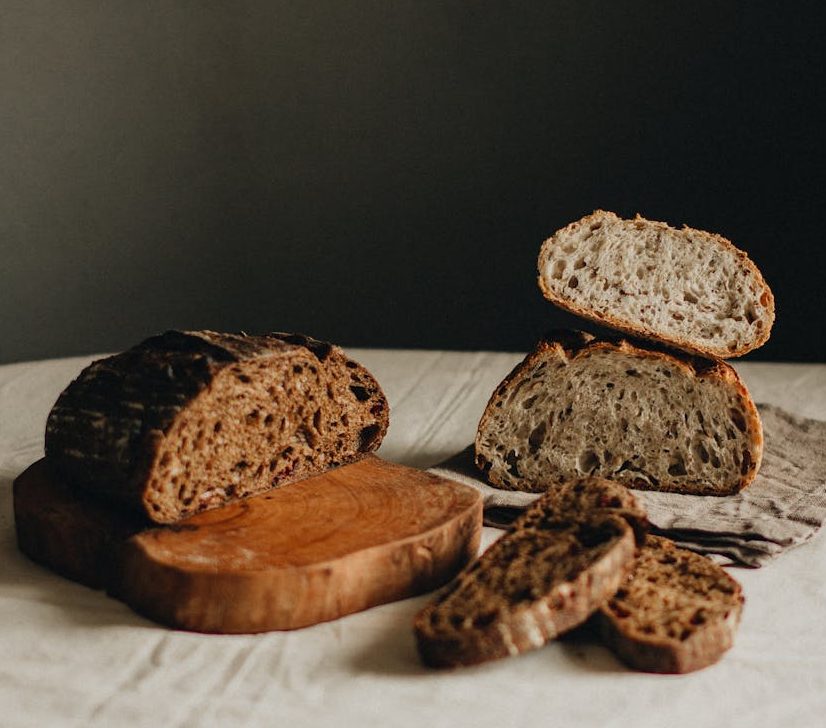
Historically, conventional households relied on traditional stone-ground flour varieties that retained the naturally occurring vitamins and minerals present in the bran and germ of the wheat kernel. In contrast, steel roller mills eliminated the bran and germ, yielding only the endosperm—a soft yet nutritionally deficient component of the wheat grain.
The absence of these vital elements, along with their beneficial oils, rendered white flour produced by steel roller mills virtually devoid of nutritional value. The bran is rich in insoluble fiber, which is essential for digestive health, alongside trace amounts of B vitamins and iron. The germ, recognized as the most nutritious segment of the wheat kernel, encompasses protein, vitamin E, nearly all B vitamins, including folic acid, carotenes, various antioxidants, and omega-3 fatty acids. The endosperm, constituting the largest portion of the wheat kernel, is primarily composed of carbohydrates, alongside incomplete protein and minimal quantities of vitamins and minerals.
The absence of nutritional understanding at the time deprived many, particularly the poor who relied heavily on bread as their primary food, of a crucial source of vitamin B. As roller mills became widespread, a notable increase in diseases linked to B vitamin deficiencies, such as pellagra and beriberi, was observed.
Pellagra is a condition resulting from a deficiency of niacin (vitamin B3), leading to significant health issues. The manifestations of this disease include severe skin inflammation, diarrhea, cognitive impairments such as dementia, and the presence of sores within the oral cavity. Beriberi, on the other hand, represents a critical deficiency of thiamine (vitamin B1). The clinical features associated with beriberi encompass notable weight loss, psychological disturbances, compromised sensory perception, weakness accompanied by pain in the extremities, and episodes of irregular heart rhythms. Furthermore, edema, which refers to the swelling of bodily tissues, is frequently observed. This condition may result in elevated levels of lactic acid and pyruvic acid in the bloodstream. In its advanced stages, beriberi can lead to high-output cardiac failure and ultimately, mortality.
Correction
Flour enrichment began in the early ’40s, around 1941–1943, in the U.S., to boost public health and keep soldiers healthy during World War II. The FDA got in on the action and set rules in 1940, requiring enriched flour to contain iron, niacin, thiamin, and riboflavin.
The FDA recognized that producers would not revert to a singular product due to public health considerations. Such a decision would jeopardize animal feed revenue and significantly impact the cattle and dairy sectors. Furthermore, the shelf life of flour would be substantially reduced, adversely affecting sales and distribution. Therefore, fortifying the existing flour product was the best solution at the time.
Education and Better Solutions
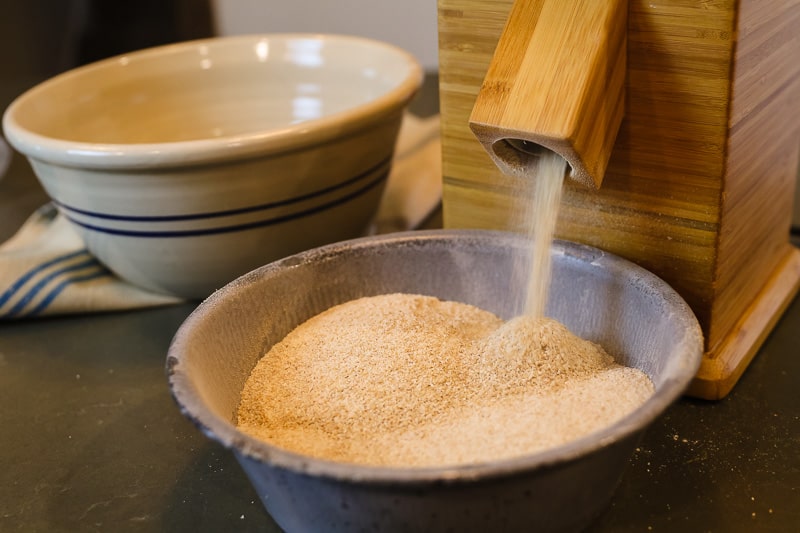
Now that technology has advanced, wheat mills are available in the size of a small countertop appliance. This provides an affordable way for the average homemaker to deliver a higher level of clean nutrition to the family.
However, several significant obstacles remain. Primarily, we must help the average individual understand the unhealthy effects of commercial flour and store-bought bread. Encouraging people to understand ingredient labels before selecting their foods presents a challenge. Additionally, there is learning the skill of baking wholesome bread at home, rather than resorting to cheap, unhealthy options from retail outlets. Given that baking at home can seem like an overwhelming process, it is not surprising that a majority of people opt for the convenience of purchasing a loaf from the shelf.
There is undoubtedly some positive news to report. With the increasing popularity of bread-baking reels, sourdough recipes, and health-conscious eating tips on social media, many people are starting to bake. The rise of online shopping has made it simpler than ever to find wheat products and necessary tools. Furthermore, numerous free videos available on YouTube and various baking blogs make the learning process for aspiring bakers easier. Indeed, anyone can become a proficient home baker. In addition, some families have begun establishing their own boutique bakeries, providing delicious breads and pastries on certain days each week.

The mission of Bread for Life is to inspire the public about the wonderfully rich nutritional value of a simple loaf of bread crafted from whole grains and to share the empowering message that food can be our medicine, promoting healing through the food choices we make. We have the incredible opportunity to move beyond the mistakes of the past, embrace the lessons learned, and create a brighter, healthier future together!


 BREAD for LIFE